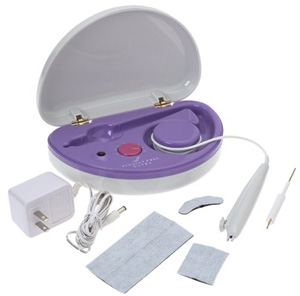



Snoring: aids
-
The noise produced due to the vibration of the uvula and soft palate, which are present at the back of the throat is called snoring. Snoring is a very common problem affecting both men and women of all ages. Snoring gets worse with the advancing age: up to 50% of the men and 30% of the women over the age of 60 are affected by snoring. Snoring affects people with advancing age. Snorers are more likely to suffer from sleep apnea, which stops breathing for a short time while sleeping. This causes a greater risk of high blood pressure and heart diseases. Snorers usually suffer from the problem of daytime sleepiness. There are numerous varieties of treatment which will help you stop snoring. Some of them are listed below:
Continuous positive airway pressure (CPAP)
This is the most popularly-recommended treatment by doctors for your snoring problem. Continuous Positive Airway Pressure (CPAP) is a device which pumps the air by applying pressure to keep your throat open, using a mask worn over your face or nose. This device is mainly used to treat obstructive sleep apnea. This is the most effective method to cure snoring. The drawbacks are that it’s the most expensive and uncomfortable snoring aid.
Sleeping position
If you snore while sleeping on your back than you should try sleeping on your side. Sleeping on your back tends to make your snoring worse, as it makes your airway narrow by making your tongue to slide backwards. Sleeping on your side will help you solve the problem of snoring.
Serious snoring, particularly apnea, may need to be treated by a doctor. But there are several things that they can do for you that don’t involve surgery. CPAP is a device that helps to control snoring, particularly that caused by sleep apnea. A Continuous Positive Airway Pressure (CPAP) pulls the air of the room and pumps it continuously through a flexible hose worn over the nose, mouth, or both. This will help you to keep your airway open. The only downsides are that the system is expensive and the components are often uncomfortable.
Sometimes snoring can be dealt with by less serious means, either by modifying behavior or using one of the products on the market.
This is not generally a painful operation. The person is given an anesthesia and the nose is examined using an operating telescope. Using micro instruments, the areas of blockage and the polyps are removed. Possible complications are bruising around the eye, infection, CSF leak and bleeding.
Jaw positioning
Losing weight
Losing weight Overweight people have excess fat in their neck, causing their airway to narrow and leading to vibration of the soft tissue or snoring. Loosing weight will help to reduce those fatty tissue of the neck.